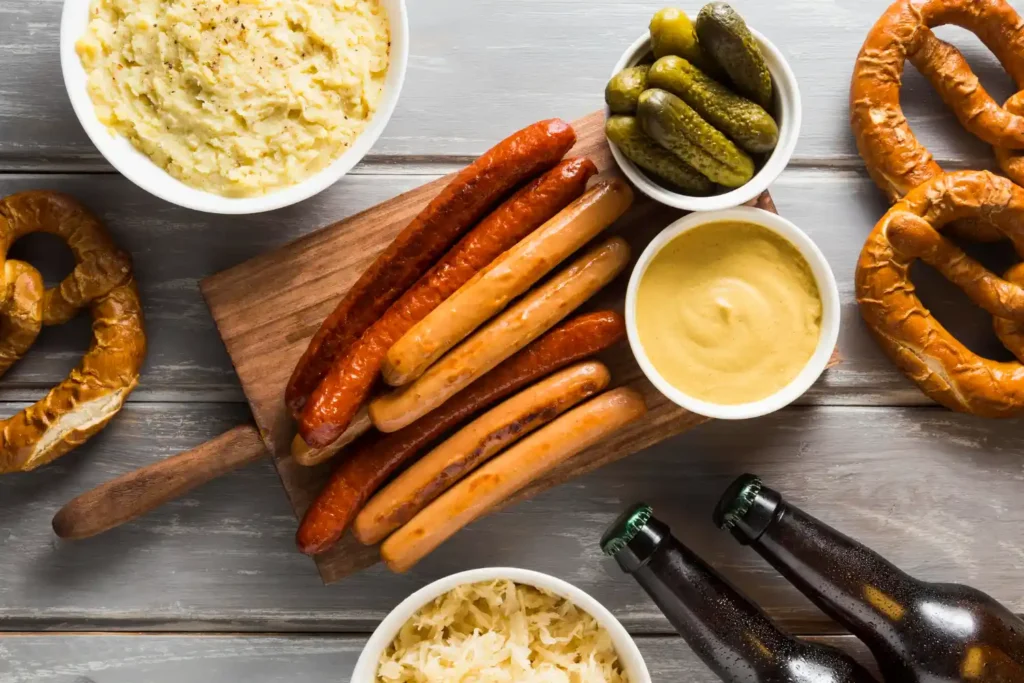
Irish pub food is some of the most satisfying, honest cooking you will find anywhere. It is built on simple, high-quality ingredients prepared with care and served in portions that actually fill you up.
There is nothing trend-driven or fussy about it. What you get on the plate reflects the land and climate of Ireland, and generations of cooks who knew how to feed people properly.
The best Irish pub food is not trying to impress you with technique. It is trying to make you feel looked after. That distinction matters, and it is exactly why people keep ordering the same dishes year after year.
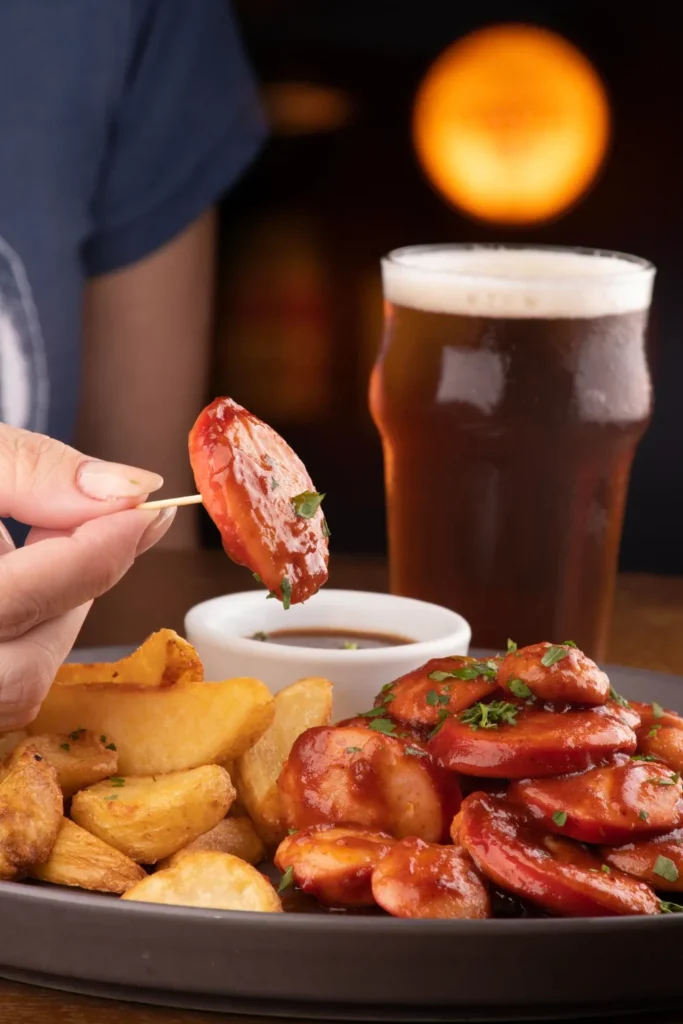
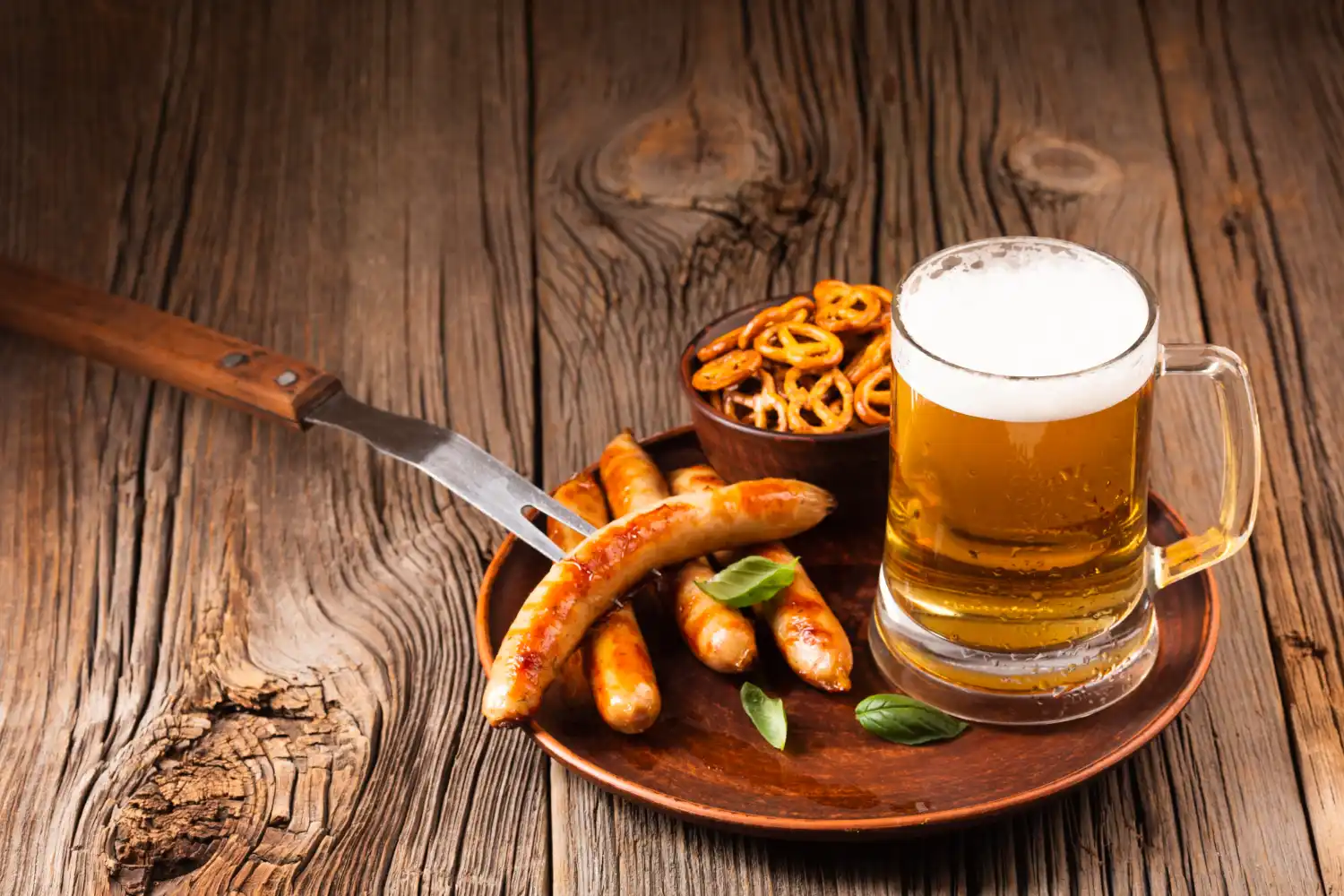
The Most Iconic Irish Pub Food Dishes
Irish stew is the cornerstone of the pub menu. Made with lamb or mutton, potatoes, carrots, onions, and a good stock, it is the kind of dish that tastes better the longer it cooks.
Colcannon is mashed potato combined with kale or cabbage and plenty of butter. It appears as a side dish across most Irish pub menus and earns its place every single time.
Soda bread is served warm in most pubs, often with butter or as an accompaniment to soups and stews. Made with buttermilk and bicarbonate of soda, it has a slightly dense, tangy quality that you will not find in a supermarket loaf.
Beef and Guinness pie is a staple that turns two of Ireland’s most beloved exports into a single dish. The stout gives the filling a depth and slight bitterness that makes the whole thing more interesting than a standard meat pie.
Boxty is a traditional Irish potato pancake that varies slightly by region. You might get it stuffed, flat, or as a side. It is hearty, filling, and one of those dishes that visitors discover and immediately want to order again.
Chowder is widely served in coastal areas and has become a standard across the country. Creamy, loaded with fish and shellfish, and served with soda bread. It is the right thing to eat on a wet afternoon in an Irish pub.
Bangers and mash might have English roots but it appears on Irish pub menus with enough frequency to count as shared territory. Good quality sausages, smooth mash, and onion gravy. Simple and dependable.
Black and white pudding deserves a mention beyond breakfast. You will find it on starters, in salads, and alongside main dishes in gastropubs that understand what local produce can do.
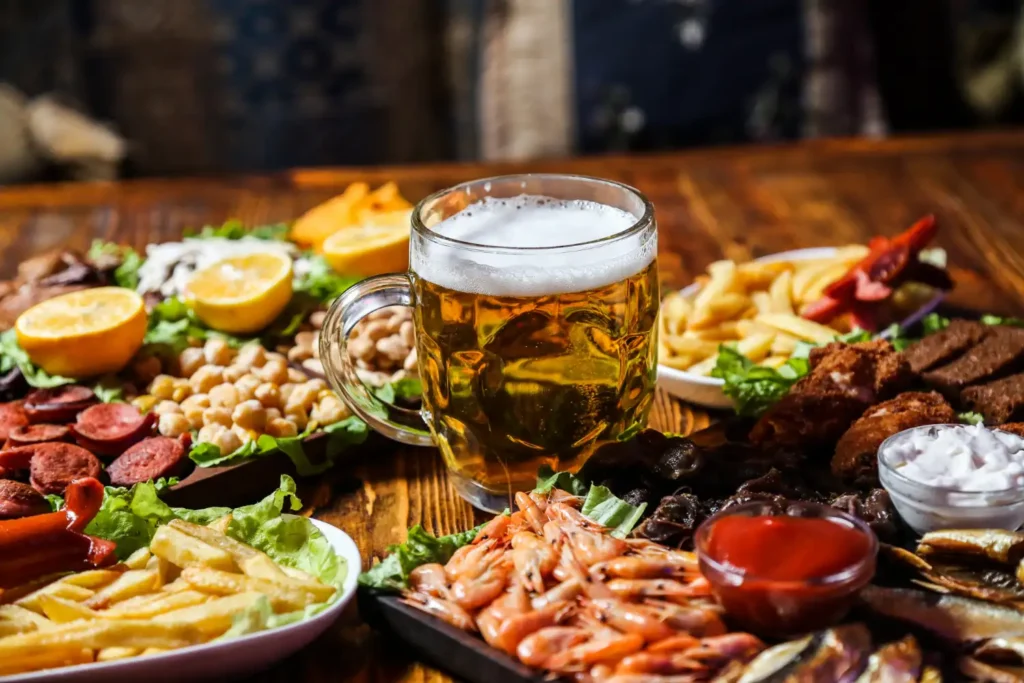
What Makes Irish Pub Food Stand Out
The ingredient quality in Ireland is genuinely exceptional. Grass-fed beef, fresh Atlantic seafood, free-range pork, and dairy that rivals anything in Europe. When the ingredients are this good, you do not need to do much to them to produce something worth eating.
Most Irish pub kitchens work from recipes that have been tested over decades rather than invented for a seasonal menu. That consistency is something you come to rely on.
Irish pub food is also remarkably affordable relative to its quality. You are rarely paying restaurant prices for what is, in many cases, restaurant-level cooking produced without the theatre of a formal dining room.
Drinking Alongside Irish Pub Food
The pairing of food and drink is instinctive in an Irish pub rather than prescribed. Stout goes with oysters, red wine with beef, a cold lager with fish. The bar team in a well-run Irish pub can guide you without making you feel like you are being lectured.
A glass of Guinness alongside Irish stew or a pie is the kind of combination that requires no explanation. It has been done millions of times for a reason.
For those who prefer something lighter, a dry cider pairs well with pork-based dishes and most chowders. Irish pubs stock a wider range of ciders than most places because the demand is there.
When to Eat at an Irish Pub
Lunch service in an Irish pub typically runs from noon until around three. This is often the best time to eat if you want a quieter experience and the full menu.
Evening service brings a different energy. The room fills up, the bar gets busier, and the food keeps pace. Booking ahead for dinner on weekends is sensible, particularly in well-regarded pubs.
Finding the Right Irish Pub Food Experience
Not every pub kitchen is equal. The pubs worth eating in are the ones where the menu has not changed much in years, where the specials are driven by what arrived that morning, and where the staff can tell you where the meat came from.
Those details matter. They tell you that the people running the kitchen care about what lands on your plate, not just what fits on the menu board.
Professional writing platforms https://writepaper.com/apa-paper-writing-service support students with custom assignments that follow educational guidelines while maintaining originality, clarity, and consistency.