
A gastropub is a pub that places serious emphasis on the quality of its food without abandoning the relaxed, welcoming atmosphere that defines pub culture. It sits comfortably between a restaurant and a traditional pub, giving you the best of both.
The term was first used in London in the early 1990s and spread rapidly as pub owners recognised that customers wanted more than crisps and frozen chips alongside their pint.
Today, the gastropub model is one of the most successful formats in the hospitality industry. The formula works because it respects what people already love about pubs while giving them a reason to stay longer and eat well.

How the Gastropub Concept Developed
The Shift Away from Bar Snacks
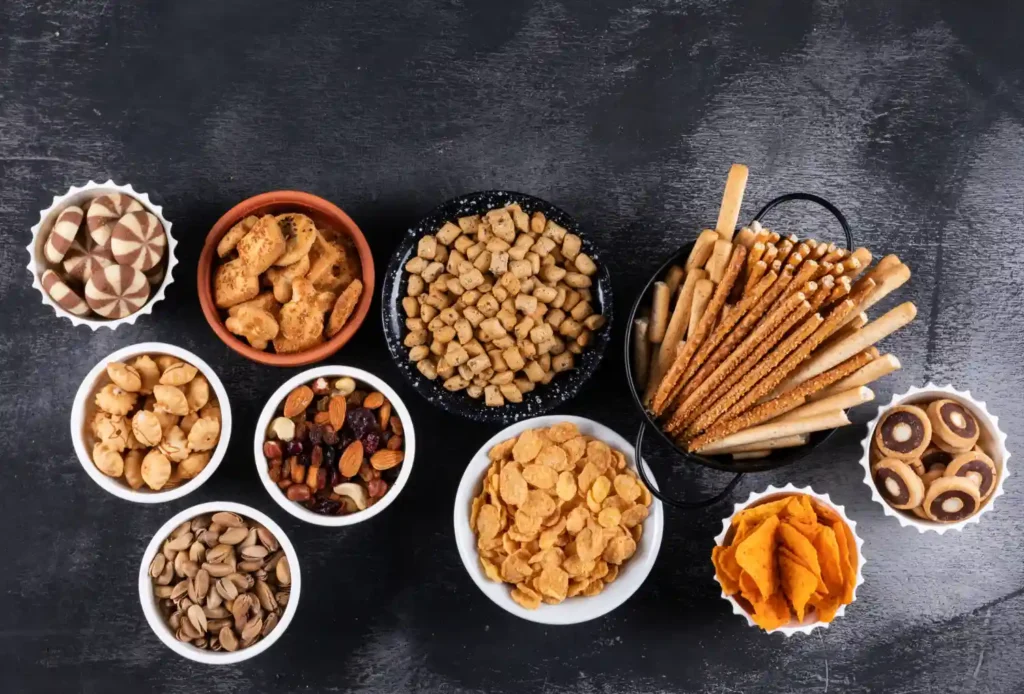
For most of pub history, food was an afterthought. Snacks, sandwiches, and the occasional microwaved pie were standard. Customers accepted it because the drink and the atmosphere were the point.
The Rise of Pub Dining
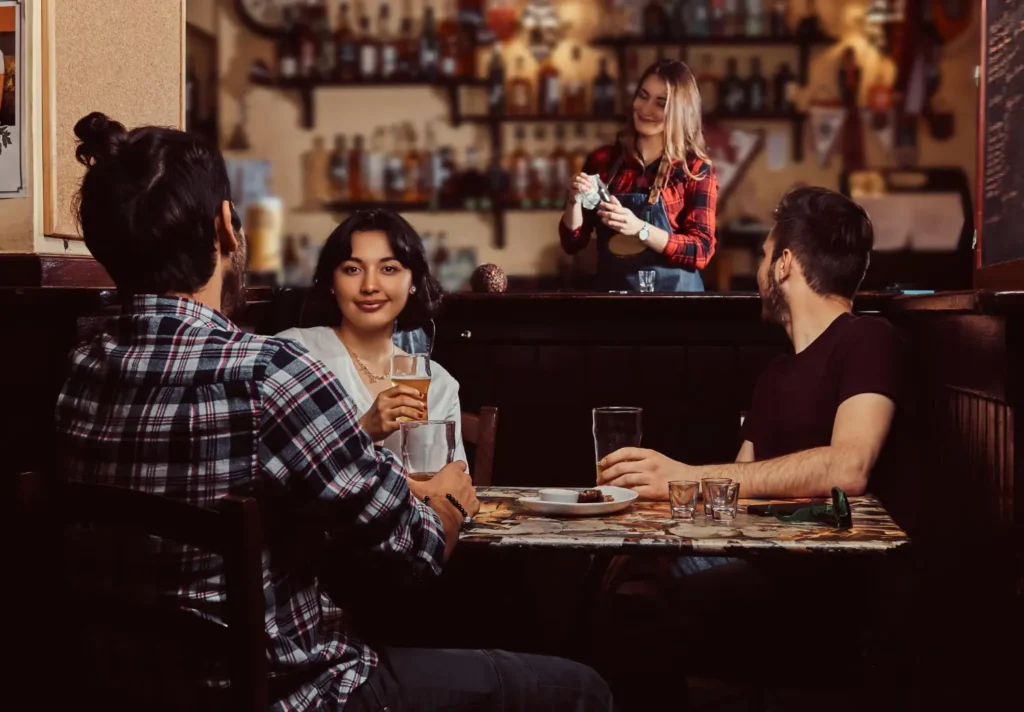
As restaurant culture grew in the 1980s and 1990s, expectations changed. People started asking more of the places they frequented, and forward-thinking pub operators responded by hiring real kitchen talent.
The Gastropub Goes Mainstream
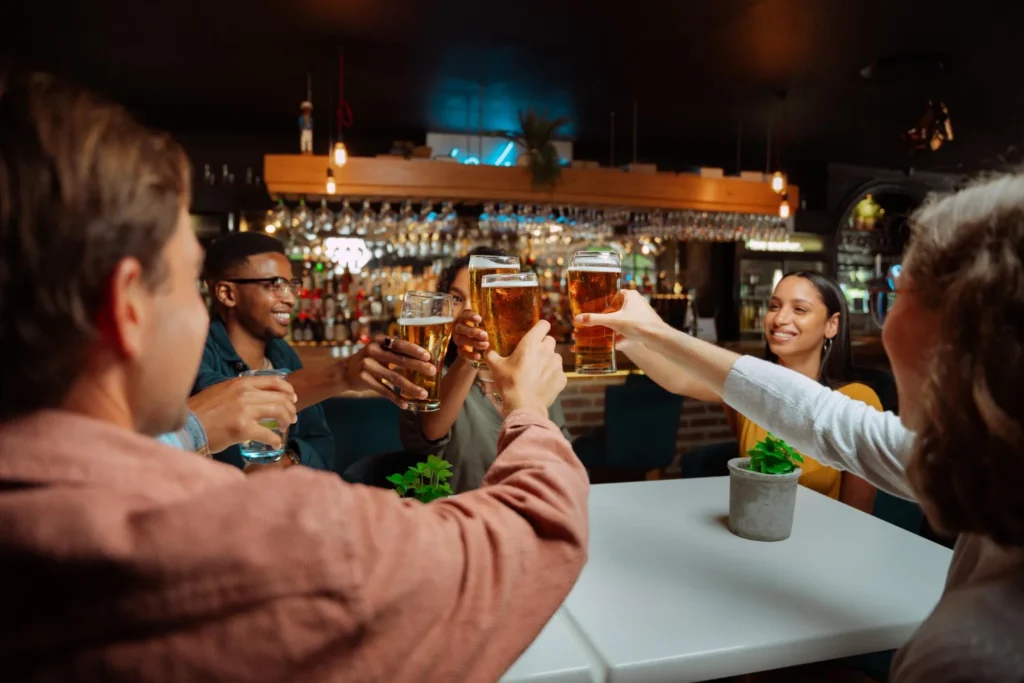
By the 2000s, the gastropub had become a recognised category in its own right. Food critics reviewed them alongside restaurants. Michelin began including them in its guides. The format had earned its place.
What Makes a Gastropub Different from a Standard Pub
The Kitchen
A gastropub runs a full professional kitchen with trained chefs, seasonal menus, and fresh ingredients sourced with care. The food is not an add-on. It is a core part of the offering.
The Menu
You will find dishes on a gastropub menu that require real technique and time to prepare. Slow-braised meats, house-made sauces, properly rested steaks. The kind of food that rewards you for choosing to eat in rather than out.
The Drinks
Gastropubs take their drinks as seriously as their food. Curated wine lists, craft beers chosen to complement the menu, and a bar team that understands flavour pairing. Your glass is not an afterthought.
The Atmosphere
Despite the elevated food, a gastropub should never feel stiff or pretentious. You can still come in your jacket, sit at the bar, and order without a reservation. The warmth of the pub stays intact.
What to Expect When You Visit a Gastropub
You can expect to order at the bar or be seated depending on how the place operates. Most gastropubs take a hybrid approach: bar service for drinks, table service for food.
Portion sizes are generous but refined. You are not eating tapas-sized servings or paying restaurant prices for a decorated plate with three elements on it.
The menu usually changes with the seasons, which means what you ate in October will not be what you find in March. That keeps things interesting and ensures the kitchen is working with the best available produce.
Reservations are worth making for weekend evenings, but many gastropubs keep a portion of the space for walk-ins. It is always worth calling ahead.
The bill will be higher than a standard pub but lower than a full-service restaurant of comparable quality. You get serious value when the gastropub is doing its job properly.
Who the Gastropub Is For
Families Who Want More Than a Kids Menu
A well-run gastropub welcomes families and builds menus that give children something worth eating. You are not looking at fish fingers as the only option.

Groups That Cannot Agree on Where to Go
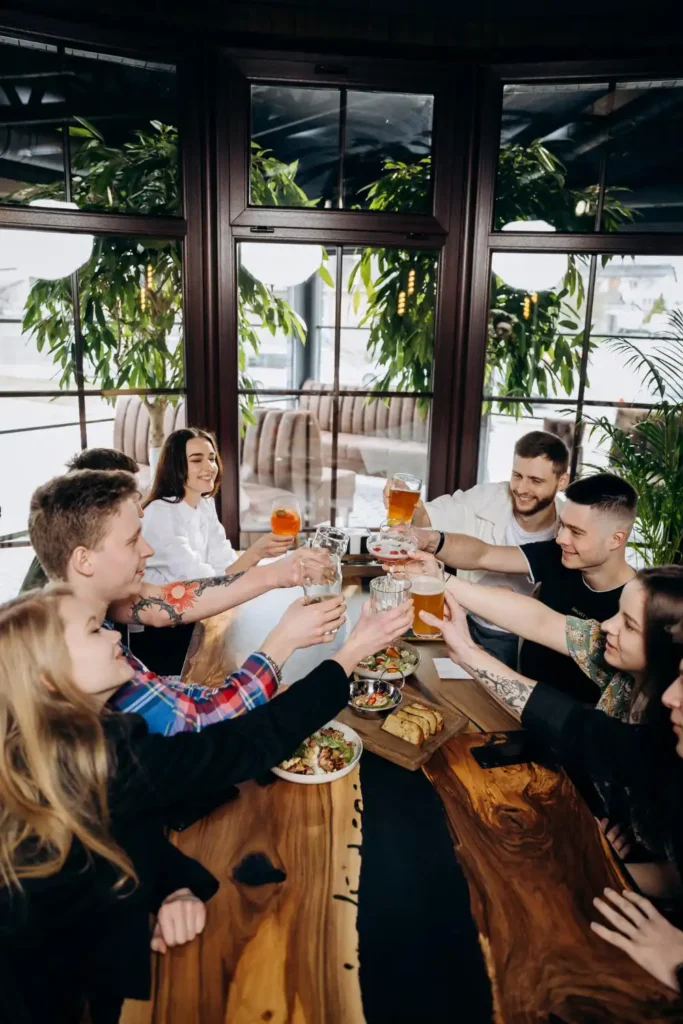
Some people want a proper meal. Others just want a drink. The gastropub gives both groups exactly what they came for, at the same table, without compromise.